I Returned the iPhone Duo. Here's Why.
I bought the iPhone Duo on 29 October and returned it after two weeks. Impressive engineering, but a conventional iPhone still suited me better.
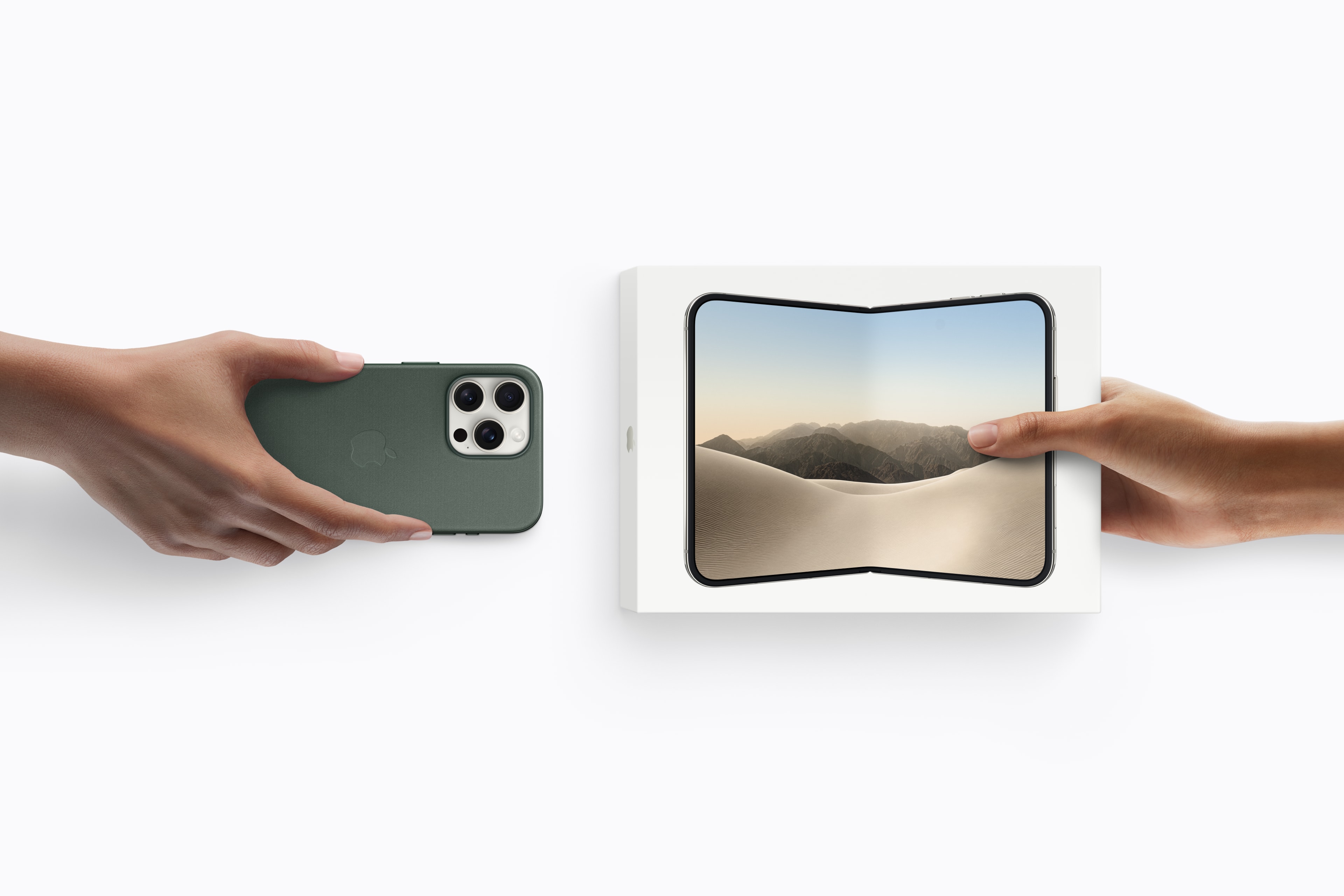
I bought the iPhone Duo on 29 October, intending to test it for two weeks. I was excited by the form factor, the possibilities of a larger display, and what a foldable iPhone could mean for how I use technology.
I returned it after two weeks.
Not because it was badly made, or because I disliked foldables, or because I couldn't appreciate what Apple had achieved. Quite the opposite. The engineering is impressive. The device felt premium, the inner display was beautiful, and there were moments when it felt like the future of mobile technology. But the longer I used it, the more I missed my regular iPhone.
The turning point came when I picked up my iPhone 17 Pro. It simply felt like an iPhone. The screen was immediately accessible and usable, the device felt natural in my hand, and I didn't need to unfold anything to comfortably complete daily tasks. My existing habits and workflows worked without adjustment. I wasn't constantly thinking about which screen to use.
I'm a heavy mobile user. I use my iPhone all day, for work, email, social media, browsing and entertainment. I've spent years building habits around how I use a smartphone. The Duo required me to adapt those habits around the hardware, without consistently improving the experience.
I was adapting how I used my phone to accommodate the device, rather than the device making my everyday life easier.
Why I wanted to love it
I went into those two weeks wanting to love it. I'm an Apple enthusiast, an iPad user and an app developer, and I was excited by what a foldable iPhone could be.
The physical engineering deserves a lot of praise. It felt like a premium Apple product: excellent build quality, a beautiful design, and a folding mechanism that was satisfying to use. The thickness when it was folded was surprisingly manageable, and the novelty of unfolding it stayed enjoyable the whole time I had it.
The biggest physical drawback was the weight. The Duo felt heavy in daily use, even though its thickness wasn't particularly noticeable compared with a regular iPhone. The hardware is impressive. The question was whether the form factor improved the overall experience enough to justify the downsides.
The magic of the inner display
Watching a film on the Tube was excellent. YouTube and other entertainment felt similar to using an iPad mini. Safari was the standout application, and reading websites on the larger display was enjoyable. Email could feel more spacious and tablet-like. Unfolding the device remained satisfying throughout the time I used it.
There is something compelling about having a tablet-sized experience available in your pocket. I didn't, though, discover any genuinely new activities or workflows. I was largely doing the same things I'd always done on my iPhone, just on a larger display. The Duo improved the enjoyment of some activities without really changing what I could accomplish. That distinction between enjoyment and utility is why I sent it back.
The problem with the outer display
Coming from an iPhone Pro Max or Plus, the reduction in usable screen space was substantial. Even moving to an iPhone Air or a standard iPhone requires adjustment, but the Duo created a different problem. The outer display was often too small for comfortable daily use: reading and replying to emails, browsing websites, using Instagram, watching TikTok, messaging, and general navigation.
I regularly unfolded the device to complete tasks that would have been comfortable on a conventional iPhone. That is a fundamental contradiction. The Duo gives you access to a much larger display, but I frequently needed to unfold it to compensate for the limitations of the smaller one. The larger inner display sometimes felt less like an additional benefit and more like a solution to a problem created by the outer display.
Typing on the outer display, at least, was fine.
When software lets hardware down
The hardware has evolved further than the software experience. The Duo provides an iPad mini-like display, but it didn't offer enough of the capabilities I'd associate with an iPad. I would have been far more willing to accept the physical downsides if the larger display had delivered meaningful productivity advantages.
During the time I used it, the experience felt limited where I most wanted extra value: proper multitasking, more advanced productivity workflows, better use of the available display area, consistent adaptive app layouts, and more tablet-like ways of interacting with the screen. It felt like an iPhone with a larger display rather than a genuinely new category of computing experience.
It's not enough of an iPad to replace an iPad, and it's too expensive to justify itself as an iPhone. That isn't an argument that the Duo needs to become an iPad. It's that the software needs to deliver enough additional value to justify the hardware downsides.
Third-party app optimisation was a significant frustration. During testing, banking applications, Microsoft Teams, my gym application and other apps I use often didn't adapt properly. Some felt cramped on the outer display. On the inner display, some appeared as small interfaces in the middle of the larger screen. Apps that have not yet been updated for the Duo can sit centred on the inner display, with empty space around them. Custom-built iOS interfaces take extra work to adapt, and a lot of apps are still catching up. At times I avoided particular applications because of how they looked. Safari was the clearest positive exception.
I know apps will be optimised over time, especially on a first-generation device. That doesn't mean the Duo would have been right for me. Even on the home screen, the outer display just didn't feel right. It was too small.
Having two displays doesn't automatically mean having a better experience. The software needs to make both of them useful, which is why the Duo currently feels better suited to early adopters willing to tolerate inconsistent optimisation.
On the inner screen, the keyboard occupied, by my estimate, around 45 to 50 per cent of the available space. That got in the way in email, ChatGPT, X, Threads, and YouTube. It could feel less comfortable, and it obscured much of what I was working with. For a device whose defining feature is additional screen space, that felt counterproductive.
Battery life and the cameras were not why I returned it. The battery was sufficient to get through a day, though I was more conscious of it than with my previous iPhone. The cameras were perfectly adequate, and camera performance isn't one of my highest priorities. I was similarly satisfied with the cameras on the iPhone 17 and the iPhone Air.
The novelty trap
During those two weeks I was using my phone more than usual. On reflection, much of that increased usage was driven by novelty. I was actively looking for opportunities to use the larger display, including watching YouTube and other content at home, sometimes even when my iPad was nearby. The experience was enjoyable, and comparable to an iPad mini. I was also testing the device within a limited return window, which influenced my behaviour: I was trying to experience everything the Duo could offer before deciding whether to keep it.
And when I genuinely wanted to use my iPad, I still picked up my iPad. The Duo hadn't replaced it. Increased usage doesn't necessarily mean increased utility. I was enjoying the novelty of a new form factor rather than discovering an indispensable new way of working.
Why I still love the iPhone Air
Despite going back to a more conventional iPhone, my favourite iPhone remains the iPhone Air.
The reasons are primarily about design: it's light, beautifully designed, and has an excellent display. It feels simple and effortless, and it's what I think of as Apple design, especially from the Steve Jobs era. To me, the Air feels like an iPhone distilled to its essentials. It doesn't need to transform how I use my phone. It simply needs to be an excellent phone.
The Duo is arguably a more technologically ambitious product, but the Air feels closer to my ideal of what an iPhone should be. I appreciate the engineering of the Duo. I prefer the simplicity and elegance of the Air. That isn't a dislike of innovation. I value innovation that improves ordinary use without introducing unnecessary complexity.
Who is the iPhone Duo actually for?
Honestly, I'm not sure. It's a very expensive device, and after using it I still find it hard to picture exactly who it's built for.
My best guess is people who value the convenience of carrying one device instead of a phone and a tablet, people who watch a lot of films and video, and perhaps people who travel a lot, where a bigger screen in your pocket earns its place on long journeys.
It also makes sense for people who can replace a smaller tablet. A friend of mine bought the Duo and loves it. He uses it for journalling with Apple Pencil and has replaced his iPad mini. Unlike me, he's found a specific activity where the Duo changes what he carries and how he works.
It will also appeal to early adopters willing to accept software limitations while apps mature. In the UK, iPhone Duo starts from £1,999, a substantial premium over a conventional iPhone.
For me, the benefits were a larger display for entertainment, a more enjoyable Safari experience, an impressive new form factor, and occasional tablet-like usage. The compromises were a smaller outer display, additional weight, inconsistent app optimisation, a less effective inner keyboard, greater awareness of battery life, and limited additional productivity. The balance didn't justify the premium for my needs. The Duo makes the most sense when it replaces something else, or unlocks a genuinely valuable workflow. For me, it did neither.
The moment I knew
The decision wasn't driven by one catastrophic flaw. It was the build-up of small frustrations. The things I do each day became slightly less convenient. The larger display was enjoyable, but it didn't actually improve my productivity. Some apps were better, others were worse. The device was heavier. I increasingly missed the familiar, immediately usable screen of a conventional iPhone.
I even missed the Action Button. The Duo doesn't have one, and I never thought I'd miss it, but I did.
When I picked up my iPhone 17 Pro, the decision became clear. I didn't need to think about how to use it. It simply felt right. And when I considered returning the Duo, I couldn't identify a single feature I was certain I'd genuinely miss. I appreciated it and enjoyed it, but I hadn't become dependent on anything it offered.
The decision to return it wasn't a rejection of the technology. It just wasn't making my day better enough to keep it.
The verdict
The iPhone Duo is an impressive achievement. It offers genuinely enjoyable experiences, particularly for browsing and entertainment, and the hardware feels premium.
But for a heavy mobile user with established habits, the downsides are substantial. The software doesn't consistently exploit the inner display, and the productivity benefits don't yet justify the premium.
I can see exactly why someone would love it. I know someone who does. I wanted to love it too. I loved what the iPhone Duo could become. I just didn't love what I had to give up to use it today.
The iPhone Duo made me excited about the future of the iPhone. But it also reminded me why I love the iPhone I already have.